

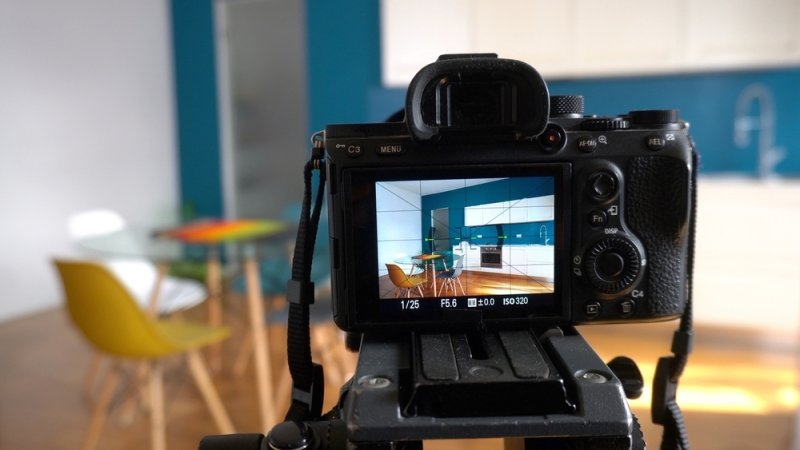
Every home for sale is fighting to get noticed—and buyers move fast. People scroll listings in seconds. If your lead photo falls flat, buyers usually skip past without even caring about the price, location, or anything else. Quality photos matter a lot more than most sellers realize. When you plan your photo session well, you can shift how buyers feel about your place before they ever see it in person.
Photography isn’t about faking it; it's about showing off the best parts while staying real. Here, you'll find out how good real estate photography speeds up home sales, some easy shooting tips, why editing matters, and how the right photographer can make a real difference.
Today, almost every buyer begins online. That makes real estate photography the first showing. Long before an open house happens, photos decide whether someone clicks or keeps scrolling.
Great real estate photos make a space feel inviting. You want plenty of natural light, rooms that flow into each other, and all the cool architectural details—without making things look fake or over-the-top. Buyers notice clean compositions because they make a property feel inviting.
Good images also reduce unnecessary questions. People understand layouts faster, recognize value sooner, and arrive with realistic expectations.
The best real estate photography tips are surprisingly practical. Open curtains instead of relying only on artificial lights. Remove clutter before shooting. Keep the vertical lines straight. Shoot from chest height. You don’t need weird angles, just an honest perspective that feels right.
When you do it this way, rooms look balanced. No warped ceilings or stretched floors. Wide-angle lenses help, but overusing them creates unrealistic spaces. Honest presentation usually performs better over time.
Successful property photography begins with preparation, not equipment. Straighten furniture. Hide personal items. Replace burnt-out bulbs. Add a little décor if a room feels empty, but don’t crowd the space.
Clean windows are more important than a fancy camera. Clear glass lets in real sunlight, and that’s what makes a photo pop. Setting up the room properly saves you hours on editing later.
Suggested Reading: Digital Camera Modes: PSAM & Settings Guide for Pro Results
Hiring a real estate photographer isn’t just about who has the best gear. You want someone who knows how to compose shots, get the timing right, wrangle light, and understand what buyers want.
They know which rooms need the most attention and the angles that make everything feel open and natural. Ask to see full galleries from previous properties—not just a few cherry-picked favorites. You want somebody who’s consistent.
A solid real estate photographer delivers:
Don’t just go for the lowest price. Great photography becomes part of the property's value.
High-quality property photography supports nearly every marketing channel. Listing websites. Social media. Digital ads. Brochures. Email campaigns. You want quality, because bad photos kill interest fast—buyers might not even bother to read the listing if the visuals aren’t up to par.
That's why property photography should be planned alongside the overall marketing strategy instead of becoming an afterthought.
Effective real estate marketing depends on attention. Photos earn that attention. Listings with strong photos get more clicks, hold viewers’ attention longer, and are shared more often.
That boosts engagement, which means more calls and a better shot at closing a sale. Visuals drive marketing momentum.
Imagine two similar homes listed at comparable prices. The first uses phone photos taken at night. The second invests in professional real estate photography, balanced lighting, plus thoughtful staging.
Most buyers naturally click the second listing first. That's not luck. That's presentation.
Don't Miss: Complete Shutter Speed Guide to Capture Motion and Action
Good real estate photo editing enhances reality without changing it. Editing should balance exposure, correct colors, remove small distractions, plus improve overall consistency.
It should never remove structural flaws or create misleading expectations.
Professional real estate photo editing keeps every room looking consistent across the gallery. Polished photos are all about bright windows, true-to-life colors, straight walls, and shadows that feel balanced—not over-edited or fake.
Subtle improvements often outperform dramatic edits. Less editing can actually feel more believable.
Many sellers see real estate photography as another listing expense. It usually works better as an investment. Better photos attract stronger attention. Better attention increases enquiries. More qualified enquiries create better selling opportunities.
Simple chain. Real impact. The same images also strengthen future real estate marketing, agent branding, social media content, plus printed materials.
Good photography keeps working long after the listing goes live.
Also Read: How AI Photography Techniques Are Changing the Way We Shoot
Strong real estate photos do way more than just make a house look nice—they give buyers confidence before the first visit, boost your online presence, and help your property stand out when lots of homes are competing for attention. When you mix solid property photos with smart editing, practical photo tips, and a skilled photographer, your listing comes across as honest and impressive.
Usually, 20 to 35 quality images work great for most homes. The actual count depends on the size, layout, and what makes the property unique. Every shot should show something new—don’t waste space with repeats.
No, not always. Drones shine for big homes, country properties, places by the water, or anywhere with amazing outdoor space. If it’s a smaller city home, you’ll get more mileage from top-notch interior photos.
Morning or late afternoon light is usually softer and makes everything look better, with fewer harsh shadows. Weather helps, too—a bright but overcast day often gives the most balanced look outside, cutting down on glare.
Whenever renovations, new staging, landscaping, or even big seasonal changes make the place look different. Fresh photos keep your listing strong—especially if it’s been on the market for a while.
Virtual staging is great for showing empty rooms so buyers can picture the space, and it costs less. But you have to be open about it. Buyers trust you more when you’re clear—honest photos go way further than slick but misleading ones.
This content was created by AI