

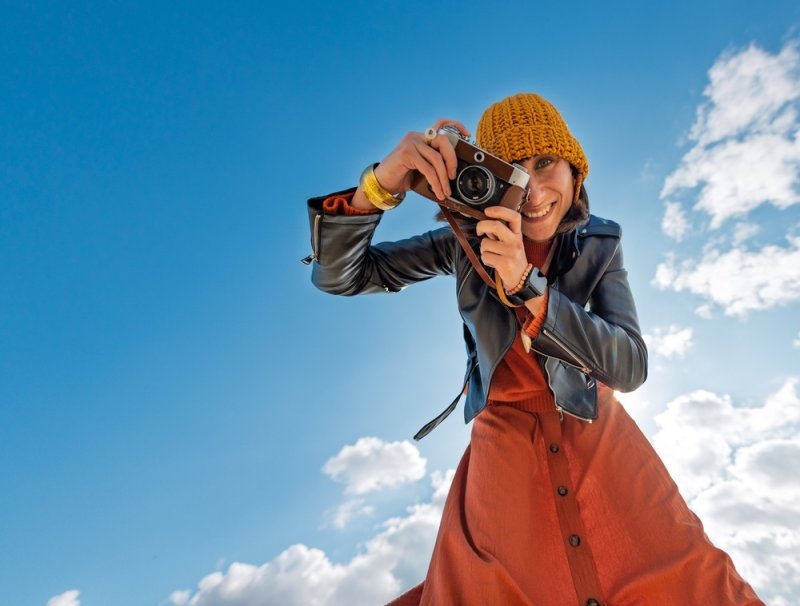
Styles aren’t just labels for organizing your files, either. They guide the mood, the way you frame things, the pacing of an image, and even how people read ordinary scenes. One street photo can look gritty and unscripted, while another feels dramatic or almost like a still from a movie. The same is true for portraits, travel shots, food images — you name it.
A lot of photographers today don’t box themselves into one style. They mix things up, pulling bits from all over, which makes their work more flexible and genuine. That’s why in this blog, we’re digging into what modern photography styles look like, the big categories, real-world examples, and ideas for figuring out what fits you best.
A photography style is the recognizable visual approach used to create and present photographs. It can involve lighting, composition, color treatment, subject choice, camera angles, editing, and timing.
Think of it as a visual habit. Two photographers may photograph the same café yet produce completely different results because their photography styles are built around different choices.
The main types of photography include portrait, landscape, street, documentary, fashion, food, wildlife, architecture, product, and event photography. These are broad photography categories, not strict creative rules.
Modern work often overlaps. A travel photographer may use documentary photography during a local festival, architectural photography inside a historic building, then switch to portrait photography while photographing residents.
Different photography styles suit different emotional goals.
The choice changes the story before editing even begins. A minimalist photograph may say very little literally, yet its empty space can create tension.
Also Read: Wildlife Photography Tips for Stunning Nature Shots
Popular photography styles tend to work because viewers understand their visual language quickly, but familiar does not mean boring. It doesn’t always take much to make your photos stand out. Just shifting your angle, waiting for the right light, or snapping at a different moment can give even an ordinary approach a personal twist.
Portrait photography covers a lot of ground these days. Some people pack their subjects into a studio with perfect lighting and spotless backgrounds. That keeps all eyes on the subject. Others go for environmental portraits, shooting people in their kitchens, offices, or out on the street to bring in a sense of place and story.
One useful approach is to photograph the subject doing something instead of simply asking them to pose. A baker shaping dough tells more of a story than a standard headshot.
Photography genres such as travel, street, fashion, and documentary often depend heavily on atmosphere. Weather, available light, movement and location become part of the image rather than background decoration.
Street photography benefits from patience. Travel photography benefits from context. Fashion photography may require controlled styling, yet some campaigns deliberately introduce movement or ordinary surroundings to make the clothing feel lived in.
Photography categories do not need to stay separated. Combining them can produce stronger visual stories.
| Combination | Visual Result | Example |
|---|---|---|
| Portrait + Documentary | Personal and candid | A chef during service |
| Travel + Street | Local and spontaneous | Morning market scenes |
| Fashion + Editorial | Controlled and expressive | Clothing in unusual architecture |
| Food + Lifestyle | Warm and relatable | Friends sharing a meal |
| Architecture + Minimalism | Clean and graphic | Empty modern interiors |
This approach also explains why many photographers struggle with labels. Their work may belong to several photography categories at once.
Choosing among photography styles becomes easier when you study what you repeatedly notice, not what happens to be fashionable. Your preferred subjects, light, and editing habits usually reveal more than a style name does.
Start with three questions. What do you like photographing? What kind of light attracts you? What do you want viewers to feel?
Then review around 20 of your own photographs. Look for repeated choices such as close framing, muted colors, harsh shadows, wide compositions, or candid expressions.
Your answer will not appear instantly. It usually sits inside patterns you have already created.
The style you pick really comes down to your subject, your goal, and what speaks to you visually. If you’re trying to capture your family’s daily chaos, you might lean into documentary or lifestyle shots. But if you’re showing off a new product for a client, you’ll want crisp, commercial photos that stay clean and simple.
Do not select a style only because it looks impressive online. A style that does not match your subject or working habits becomes difficult to maintain.
Create small experiments instead of forcing one identity. Photograph the same subject using natural light, dramatic shadows, minimalist framing and cinematic editing.
Compare the results later.
Ask which images feel most natural to create and which ones still look interesting after several days. That combination of enjoyment, consistency and visual recognition is a useful clue.
Don't Miss: Create Black and White Photography Capturing Timeless Drama
Good photography styles become useful when they support a story rather than distract from it. Consistency matters, but repeating the exact same composition can make a portfolio feel flat.
You can combine documentary timing with cinematic lighting, editorial composition with lifestyle subjects, or minimalist framing with architectural photography. There is no requirement to use one photography style throughout an entire project.
For example, a travel story could open with a wide landscape, move into street scenes, then finish with an intimate portrait. The photography styles change, but the story remains connected through color and mood.
The main types of photography for visual storytelling are documentary, portrait, landscape, street, lifestyle, editorial, architecture, fashion, and product work.
Each creates a different kind of evidence. Portraits reveal people, landscapes establish place, documentary images show action, while product photography explains an object through controlled detail.
Style develops through repetition, editing, and deliberate constraints. You do not need expensive equipment or an elaborate preset collection to make the process work.
Change one element during each shooting session. Keep the subject similar but alter lighting, framing, or color treatment. This makes comparison easier. If everything changes at once, you cannot tell which decision actually improved the image.
Keep 10 to 15 photographs that represent the visual direction you enjoy. Review them before major shoots, then remove references that no longer feel relevant. This creates a working visual language without turning your process into imitation.
Suggested Reading: Fresh Fashion Photography Ideas for Editorial Looks
These modern styles give you a way to talk about your work, but don’t let the categories trap you. Some of the most interesting photos blur the lines, blending documentary with editorial or something cinematic with the relaxed vibe of lifestyle shots. Playing with styles is part of finding your own voice.
A good start: dig through your own photos and spot the patterns. Which choices pop up again and again? If you want to grow, try making conscious shifts instead of just riding the latest trends. Your style should make your subject feel even more alive, not hide it behind filters or tricks. It’s not about finding a perfect, permanent box; it’s about building something that people will recognize — and letting it breathe as you grow.
Definitely. As you gain experience, try new subjects, pick up different gear, or even just change as a person, your style moves with you. That’s not a bad thing — it means you’re learning.
Not really. Gear can open up possibilities, sure, but it’s your choices — your use of light, composition, timing, subjects, and editing — that actually shape your style.
They might approach things similarly, but their work will always have distinct differences — personal timing, framing, subject choices — these leave a mark.
Not always. Related styles can live together, as long as your color choices, subjects, or storytelling pull things together and give it all a sense of unity.
You can always spot your touch in the way you handle color, contrast, grain, and how you crop an image. Editing is really about making the photo stronger and helping viewers see what matters—not covering up problems.
This content was created by AI